Plants as the barometers of extreme events in Earth’s history.
Academic publications
Amores, M., Frank, T.D., Fielding, C.R., Hren, M.T., Mays, C. (2025). Age-controlled south polar floral trends show a staggered Early Triassic gymnosperm recovery following the end-Permian event. GSA Bulletin: 28 pp.
Turner, H.-A., McLoughlin, S., Mays, C. (2024). Comprehensive survey of Early to Middle Triassic Gondwanan floras reveals under-representation of plant-arthropod interactions. Frontiers in Ecology and Evolution, 12: 24 pp.
Durieux, T., Decombeix, A.-L., Harper, C.J., Ramel, M., Mays, C., Prestianni, C. (2024). Callixylon seamrogia sp. nov., a new species from the uppermost Famennian (Upper Devonian) of Ireland. Review of Palaeobotany and Palynology, 334: 14 pp.
Slodownik, M.A., Escapa, I., Mays, C., Jordan, G.J., Carpenter, R.J., Hill, R.S. (2023). Araucarioides: A polar lineage of Araucariaceae with new Paleogene fossils from Tasmania, Australia. International Journal of Plant Sciences, 184: 19 pp..
Fielding, C.R., Bryan, S.E., Crowley, J.L., Frank, T.D., Hren, M.T., Mays, C., McLoughlin, S., Shen, J., Wagner, P.J., Winguth, A., Winguth, C. (2023). A multidisciplinary approach to resolving the end-Guadalupian extinction. Evolving Earth, 1: 100014.
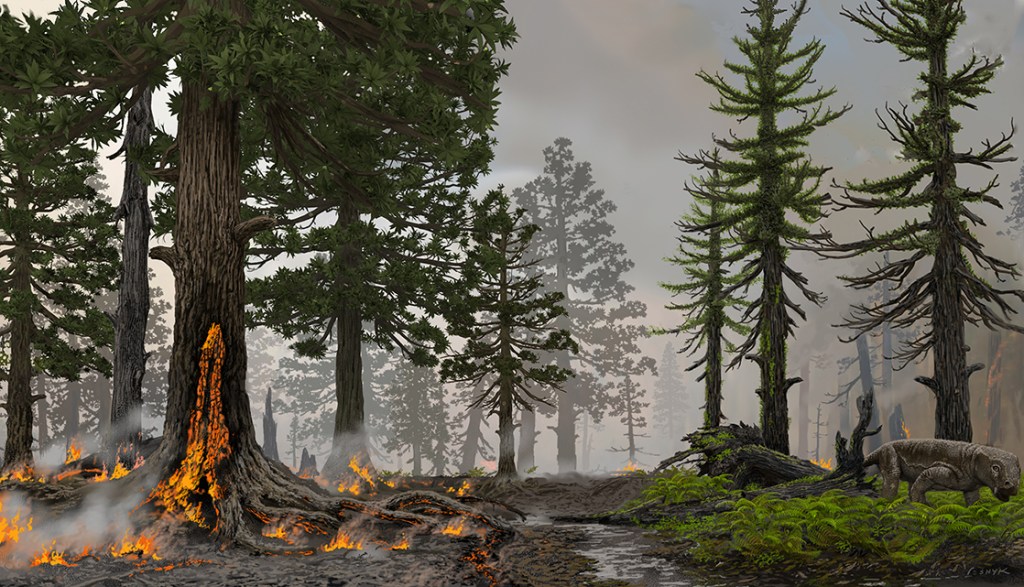
Mays, C., McLoughlin, S. (2022). End-Permian burnout: The role of Permian-Triassic wildfires in extinction, carbon cycling and environmental change in eastern Gondwana. PALAOIS, 37: 292–317.
Santamarina, P.E., Barreda, V.D., Iglesias, A., Varela, A.N. & Mays, C. (2022). Comparison of mid-Cretaceous (Cenomanian–Turonian) high-latitude palynofloras from Patagonia and New Zealand: Richness, ecology, and provincialization: Palaeogeography, Palaeoclimatology, Palaeoecology, 604: 111216.
Fielding, C.R., Frank, T.D., Savatic, K., Mays, C., McLoughlin, S., Vajda, V. & Nicoll, R.S. (2022). Palaeoenvironmental change in the upper Permian of Queensland, NE Australia: the warmup to the end-Permian extinction. Palaeogeography, Palaeoclimatology, Palaeoecology, 594: 110936.
McLoughlin, S. & Mays, C. (2022). Synchrotron X-ray imaging reveals the three-dimensional architecture of beetle borings (Dekosichnus meniscatus) in Middle Jurassic araucarian conifer wood from Argentina. Review of Palaeobotany and Palynology, 297: 104568.
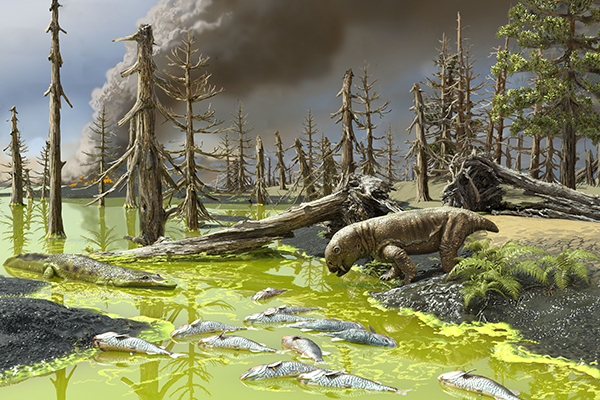
Mays, C., McLoughlin, S., Frank, T.D., Fielding, C.R., Slater, S.M. & Vajda, V., (2021). Lethal microbial blooms delayed freshwater ecosystem recovery following the end-Permian extinction. Nature Communications, 12: 5511.
Frank, T.D., Fielding, C.R., Winguth, A.M.E., Savatic, K., Tevyaw, A., Winguth, C., McLoughlin, S., Vajda, V., Mays, C., Nicoll, R., Bocking, M. & Crowley, J.L. (2021). Pace, magnitude, and nature of terrestrial climate change through the end Permian extinction in southeastern Gondwana. Geology, 49: 1089–1095.
Mays, C., Vajda, V. & McLoughlin, S. (2021). Permian–Triassic non-marine algae of Gondwana—distributions, natural affinities and ecological implications. Earth-Science Reviews, 212: 103382.
McLoughlin, S., Halamski, A.T., Mays, C. & Kvaček, J. (2021). Neutron tomography, fluorescence and transmitted light microscopy reveal new insect damage, fungi and plant organ associations in the Late Cretaceous floras of Sweden. GFF, 143: 248–276.
McLoughlin, S., Nicoll, R.S., Crowley, J.L., Vajda, V., Mays, C., Fielding, C.R., Frank, T.D., Wheeler, A. & Bocking, M. (2021). Age and paleoenvironmental significance of the Frazer Beach Member—A new lithostratigraphic unit overlying the end-Permian extinction horizon in the Sydney Basin, Australia. Frontiers in Earth Science, 8: 600976.
Fielding, C.R., Frank, T.D., Tevyaw, A.P., Savatic, K., Vajda, V., McLoughlin, S., Mays, C., Nicoll, R.S., Bocking, M. & Crowley, J.L. (2021). Sedimentology of the continental end-Permian extinction event in the Sydney Basin, eastern Australia. Sedimentology, 68: 30–62.
McLoughlin, S., Mays, C., Vajda, V., Bocking, M., Frank, T.D. & Fielding, C.R. (2020). Dwelling in the dead zone—vertebrate burrows immediately succeeding the end-Permian extinction event in Australia. Palaios, 35: 342–357.
Mays, C., Vajda, V., Frank, T.D., Fielding, C.R., Tevyaw, A.P. & McLoughlin, S. (2020). Refined Permian–Triassic floristic timeline reveals early collapse and delayed recovery of south polar terrestrial ecosystems. GSA Bulletin, 132: 1489–1513.
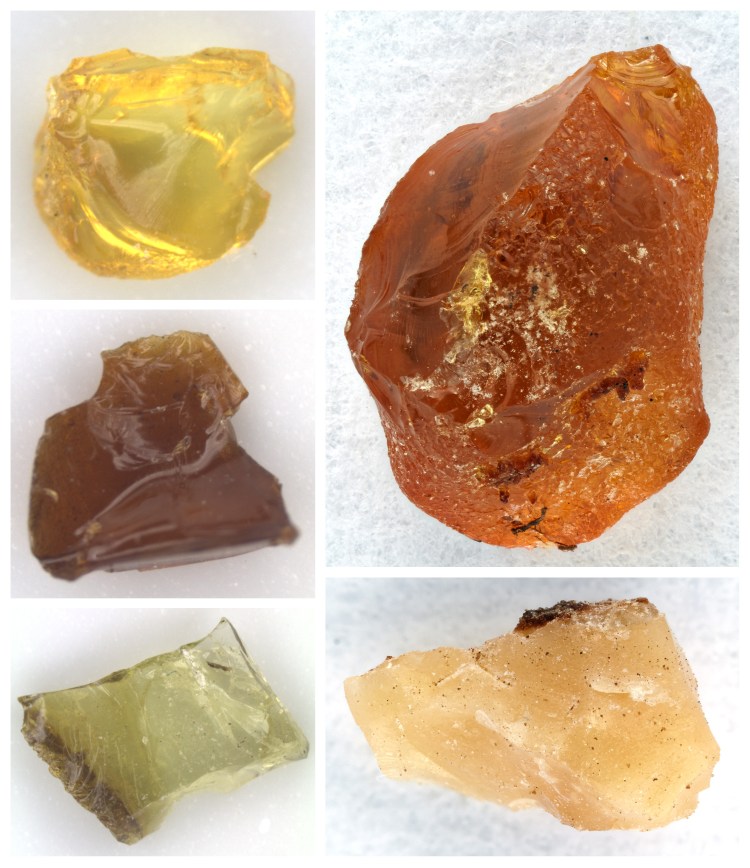
Stilwell, J.D., Langendam, A., Mays, C., Sutherland, L.J.M., Arillo, A., Bickel, D.J., De Silva, W.T., Pentland, A.H., Roghi, G., Price, G.D., Cantrill, D.J., Quinney, A. & Peñalver, E. (2020). Amber reveals ancient portals into Southern Pangea and Gondwana terrestrial worlds. Scientific Reports, 10: 5703
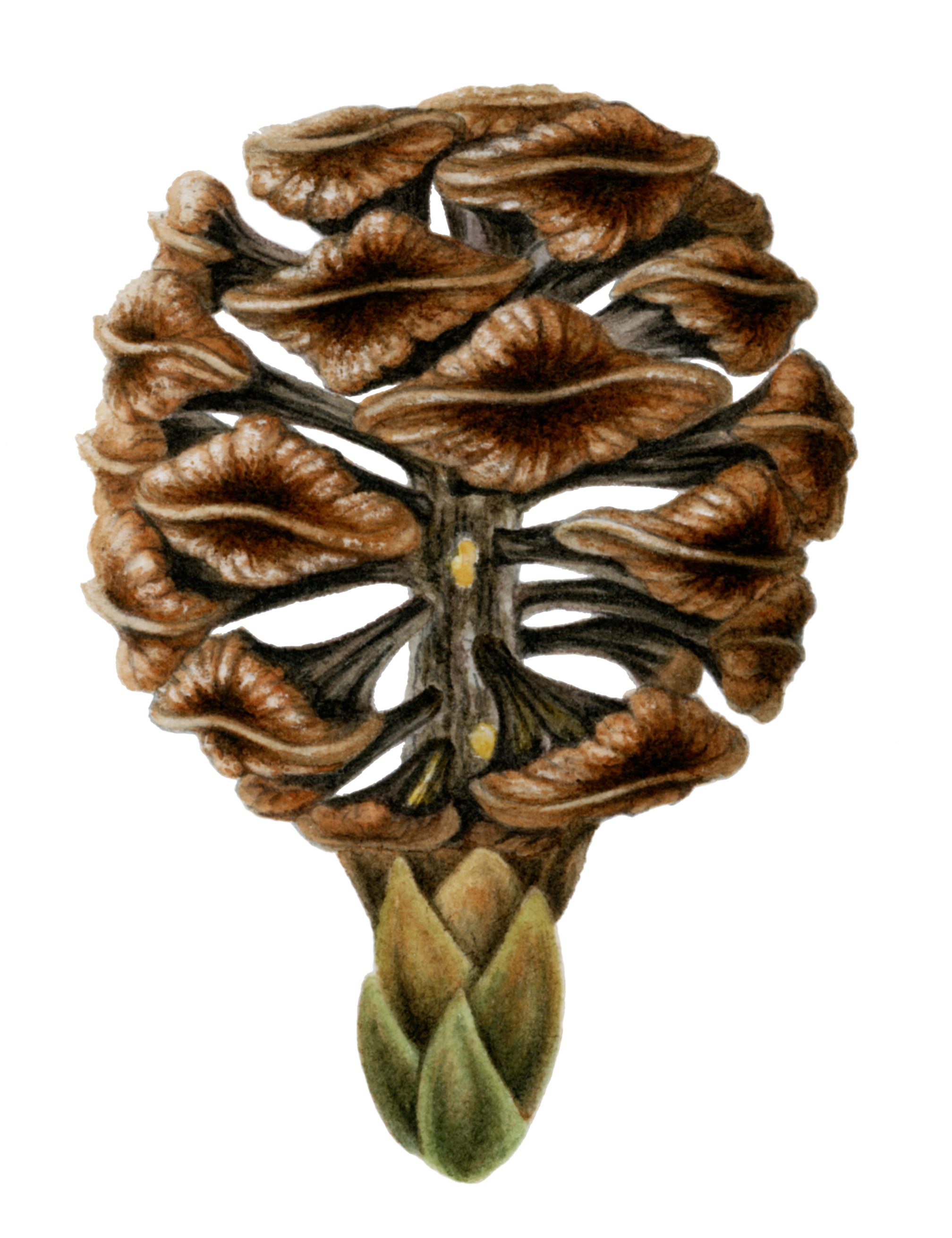
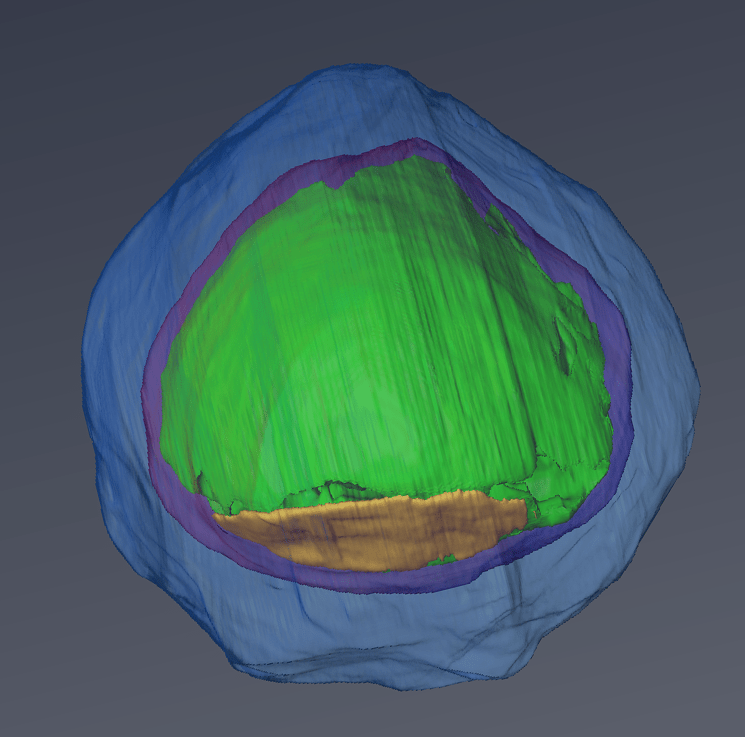
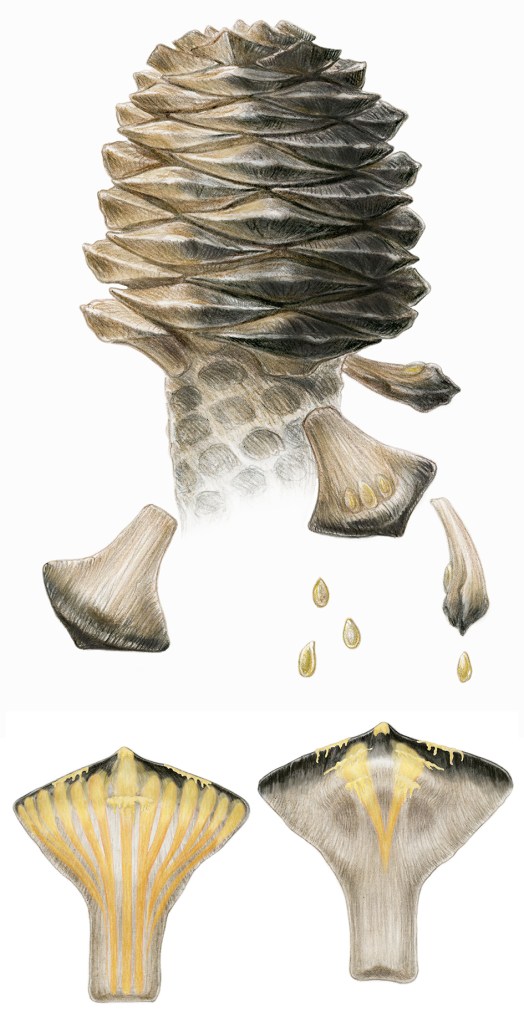
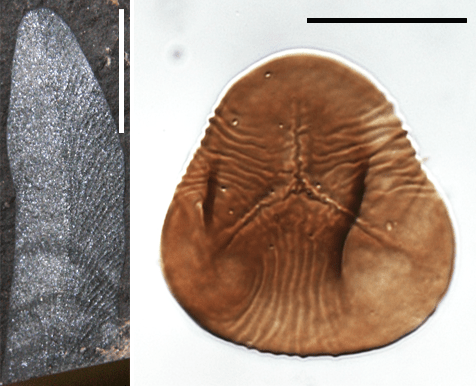
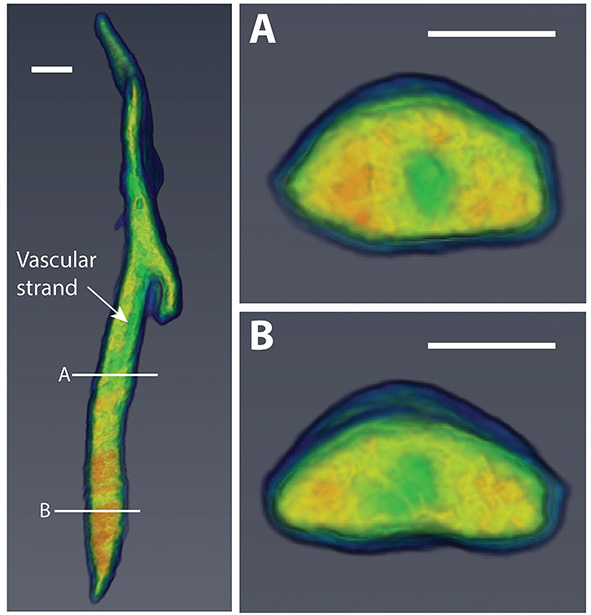
Herrera, F., Shi, G., Mays, C., Ichinnorov, N., Takahashi, M., Bevitt, J.J., Herendeen, P.S. & Crane, P.R., (2020). Reconstructing Krassilovia mongolica supports recognition of a new and unusual group of Mesozoic conifers. PLOS One, 15: e0226779.
Vajda, V., McLoughlin, S., Mays, C., Frank, T., Fielding, C.R., Tevyaw, A., Lehsten, V., Bocking, M. & Nicoll, R.S. (2020). End-Permian (252 Mya) deforestation, wildfires and flooding—an ancient biotic crisis with lessons for the present. Earth and Planetary Science Letters, 529: 115875.
Fielding, C.R., Frank, T.D., McLoughlin, S., Vajda, V., Mays, C., Tevyaw, A.P., Winguth, A., Winguth, C., Nicoll, R., Bocking, M. & Crowley, J.L. (2019). Age and pattern of the southern high-latitude continental end-Permian extinction constrained by multiproxy analysis. Nature Communications, 10: 385.
Mays, C., Coward, A.J. & O’Dell, L.A., Tappert, R. (2019). The botanical provenance and taphonomy of Late Cretaceous Chatham amber, Chatham Islands, New Zealand. Review of Palaeobotany and Palynology, 260: 16–26.
McLoughlin, S., Maksimenko, A. & Mays, C. (2019). A new high-paleolatitude late Permian permineralized peat flora from the late Permian of the Sydney Basin, Australia. International Journal of Plant Sciences, 180: 513–539.
Mays, C. & Cantrill, D.J. (2019). Protodammara reimatamoriori, a new species of conifer (Cupressaceae) from the Upper Cretaceous Tupuangi Formation, Chatham Islands, Zealandia. Alcheringa, 43: 114–126.
Mays, C., Cantrill, D.J., Stilwell, J.D. & Bevitt, J.J. (2018). Neutron tomography of Austrosequoia novae-zeelandiae comb. nov. (Late Cretaceous, Chatham Islands, New Zealand): Implications for Sequoioideae phylogeny and biogeography. Journal of Systematic Palaeontology 16: 551–570.
Coward, A.J., Mays, C., Patti, A.F., Stilwell, J.D., O’Dell, L. & Viegas, P. (2018). Taphonomy and chemotaxonomy of Eocene amber from southeastern Australia. Organic Geochemistry, 118: 103–115.
Mays, C., Cantrill, D.J. & Bevitt, J.J. (2017). Polar wildfires and conifer serotiny during the Cretaceous global hothouse. Geology, 45: 1119–1122.
Mays, C., Bevitt, J.J. & Stilwell, J.D. (2017). Pushing the limits of neutron tomography in palaeontology: three-dimensional modelling of in situ resin within fossil plants. Palaeontologia Electronica, 20.3.57A: 12 pp.
Stilwell, J.D., Vitacca, J.J. & Mays, C. (2016). South polar greenhouse insects (Arthropoda: Insecta: Coleoptera) from the mid-Cretaceous Tupuangi Formation, Chatham Islands, eastern Zealandia. Alcheringa, 40: 502–508.
Mays, C. (2015). Mid-Cretaceous palynoflora of the Chatham Islands, New Zealand. Memoirs of the Association of Australasian Palaeontologists, vol. 47, 92 pp.
Mays, C., Steinthorsdottir, M. & Stilwell, J.D. (2015). Climatic implications of Ginkgoites waarrensis Douglas emend. from the south polar Tupuangi flora, Late Cretaceous (Cenomanian), Chatham Islands. Palaeogeography Palaeoclimatology Palaeoecology, 438: 308–326.
Mays, C., Tosolini, A.-M.P., Cantrill, D.J. & Stilwell, J.D., (2015). Late Cretaceous (Cenomanian–Turonian) macroflora from the Chatham Islands, New Zealand: bryophytes, lycophytes and pteridophytes. Gondwana Research, 27: 1042–1060.
Chen, K., Stilwell, J.D. & Mays, C. (2015). Palaeoenvironmental reconstruction of Livingston Island, Antarctic Peninsula in the Early Cretaceous: Interpretations from Walker Bay erratics. Alcheringa, 39: 465–476.
Quinney, A., Mays, C., Stilwell, J.D., Zelenitsky, D.K. & Therrien, F. (2015). The range of bioinclusions and pseudoinclusions preserved in a new Turonian (~90 Ma) amber deposit from southern Australia. PLOS One,10: e0121307.
Sorrentino, L., Mays, C. & Stilwell, J.D. (2014). Syn- and post-depositional tephra dispersal from an early Paleogene shallow submarine eruption, the Red Bluff Tuff Formation, Chatham Island, New Zealand. Sedimentary Geology, 300: 86–102.
Mays, C. & Stilwell, J.D. (2013). Pollen and spore biostratigraphy of the mid-Cretaceous Tupuangi Formation, Chatham Islands, New Zealand. Review of Palaeobotany and Palynology, 192: 79–102.
Mays, C. & Stilwell, J.D. (2012). Judging an acritarch by its cover: taxonomic implications of Introvertocystis rangiaotea gen. et sp. nov. from the Cenomanian to Turonian, Chatham Islands, New Zealand. Palynology, 36: 180–190.
Mays, C., & Stilwell, J.D. (2012). Mid-Cretaceous south polar palynology & floristic trends of the Tupuangi Formation, Chatham Islands, New Zealand. Japanese Journal of Palynology, 58: 146–147.
Selected conference contributions
Mays, C., van de Schootbrugge, B. & McElwain, J.C. (2024). From snowball to hyperthermals: Palaeobotanical and palynological signatures of Earth’s extreme climate events. XV International Palynological Congress / XI International Organization of Palaeobotany Conference, Prague, 27–31 May. (Chief Symposium Organizer)
Mays, C., Hren, M., Amores, M., Tyson, R.V., Mays, A. (2024). Gauging continental carbon sink function and ecosystem health with organic microfossils. Seminar presented at: XV International Palynological Congress / XI International Organization of Palaeobotany Conference, Prague, 27–31 May.
Mays, C., Amores, M., Turner, H.-A., Frank, T.D., McLoughlin, S., Fielding, C.R., Hren, M.T., Mays, A. (2024). Life in the ‘dead zone’: Long-term impacts of extreme warming on continental ecosystems following the end-Permian event (c. 252 Ma). Seminar presented at: Irish Geoscience Research Meeting 2024, Galway, Mar. 1–3.
Mays, C. (2022). The end-Permian mass extinction: A song of slime and fire. Invited seminar for: The 2022 Linnean Society of NSW Natural History Field Symposium, Sydney, Nov. 17. (Invited Seminar)
Mays, C., McLoughlin, S., Vajda, V., Frank, T.D., Fielding, C.R., Nicoll, R. & Slater, S.M. (2022). The end-Permian mass extinction: a song of slime and fire. Seminar presented at: the Palaeontological Association’s Annual Meeting, Cork, Jul. 18–24. (Presenter and Conference Organizer)
Mays, C., Smith, S.Y. & Lomax, B.H. (2022). Emerging techniques in palaeobotany and palynology. Chief 11th European Palaeobotany and Palynology Conference, Stockholm, Jun. 19–22. (Symposium Organizer)
Mays, C., McLoughlin, S., Vajda, V., Frank, T.D., Fielding, C.R., Nicoll, R. & Slater, S.M. (2022). The end-Permian mass extinction: a song of slime and fire. Seminar presented at: 11th European Palaeobotany and Palynology Conference, Stockholm, Jun. 19–22.
Mays, C., Vajda, V., Frank, T.D., Fielding, C.R., Tevyaw, A.P. & McLoughlin, S., (2019). Refined Permian–Triassic timeline reveals early collapse and delayed recovery of the south polar terrestrial ecosystem. Seminar presented at: EGU Galileo Conference on Mass Extinctions, Recovery and Resilience, Utrecht, Aug. 26–29.
Mays, C., Vajda, V., McLoughlin, S., Fielding, C.R., Frank, T.D. & Nicoll, R. (2018). Extinction, evolution and recovery of the Gondwanan flora through the Permian–Triassic biotic crisis in southern high palaeolatitudes, Australia. Seminar presented at: 2018 Geological Society of America Conference, Indianapolis, Nov. 4–7. (Session Chair)
Mays, C., Vajda, V., McLoughlin, S., Fielding, C.R., Frank, T.D. & Nicoll, R. (2018). Extinction, evolution and recovery of the Gondwanan flora through the Permian–Triassic biotic crisis in southern high palaeolatitudes, Australia. Seminar presented at: European Palaeobotanical and Palynological Conference, Dublin, Aug. 12–17.
Mays, C., Vajda, V., McLoughlin, S., Fielding, C.R., Frank, T.D. & Nicoll, R. (2018). Extinction, evolution and recovery of the Gondwanan flora through the Permian–Triassic biotic crisis in southern high palaeolatitudes, Australia. Seminar presented at: International Palaeontological Congress, Paris, Jul. 9–13.
Mays, C., Cantrill, D.J., Bevitt, J.J. & Coward, A.J. (2018). Polar wildfires and fire-adapted seed dispersal during the Cretaceous global hothouse. Seminar presented at: International Palaeontological Congress, Paris, Jul. 9–13.
Mays, C. (2017). Putting the ‘hot’ in ‘hothouse’: The evolution of fire-adapted plants during an extreme global greenhouse event. Seminar presented at: Bolin Days, Stockholm, Sweden, Nov. 22–23.
Mays, C., Cantrill, D.J., Bevitt, J.J. & Stilwell, J.D. (2016). Neutron tomographic virtual extraction: Late Cretaceous seed cones of the Tupuangi Flora, Chatham Islands, N.Z. Seminar presented at: IPC XIV/IOPC X, Salvador, Brazil, Oct. 23–28.
Mays, C., Steinthorsdottir, M., & Stilwell, J.D. (2016). Gondwanan ginkgoes: Heralds of Cretaceous biogeographic and climatic change. Seminar presented at: Palaeo Down Under 2, Adelaide, Australia, Jul. 10–15.
Mays, C., Tosolini, A.-M. P., Cantrill, D.J. & Stilwell, J.D. (2014). Fossil flora of the Chatham Islands, eastern Zealandia: A window into the forest biome of the mid-Cretaceous South Pole. Seminar presented at: IPC4, Mendoza, Argentina, Sept. 28–Oct. 3.
Mays, C. (2012). Mid-Cretaceous south polar palynology and floristic trends: The Tupuangi Formation, Chatham Islands, New Zealand. Seminar presented at: IPC XIII/IOPC IX, Tokyo, Japan, Aug. 23–30.
Mays, C. (2011). Mid-Cretaceous south polar flora & environments: biostratigraphy of the Tupuangi Formation, Chatham Islands, New Zealand. Seminar presented at: Geological Society of Australia (Victoria Division), Parkville, Victoria, Feb. 24.
Public presentations
The end Permian mass extinction: A song of slime & fire. Invited presentation at the Annual General Meeting of the Geological Society of Australia (South Australia division), 13th of May, 2021: https://youtu.be/wu7kvh2ffdc.
“I shall collect plants and fossils… yet this is not the main purpose of my journey. I shall endeavor to find out how nature’s forces act upon one another, and in what manner the geographic environment exerts its influence on animals and plants.
In short, I must find out about the harmony in nature.”
Alexander von Humboldt (1769–1859)
 PalaeoMays